Many people worry about the world right now. They feel scared when they see news about big wars. I want to share a grounded perspective on this big topic.
By looking at current world trends, I aim to clear up the fear. We all wonder what will happen in world war 3 if big countries keep fighting. Knowing what’s going on helps us stay calm and ready.
Dealing with these unsure times means looking beyond the headlines. I’ll explain complex world issues in simple words. Let’s figure out how to stay strong and clear-headed about our planet’s future.
Key Takeaways
- Understanding world trends helps us feel less scared.
- Keeping the world stable needs good talks between countries.
- Being ready is a smart way to face the unknown.
- Looking into international relations helps us see risks more clearly.
- Keeping a calm mind is key to facing today’s challenges.
Understanding the Global Geopolitical Landscape
Our world today is full of competing interests. It feels like the international order is strained to its limit. I want to help you see why our world is so fragile.
Identifying the flashpoints of 2026
Many places are critical flashpoints where small issues can lead to big problems. Eastern Europe is a big test for diplomats. The Indo-Pacific is full of sea and land disputes among many countries.
These spots are not just dots on a map. They are where strategic miscalculations can happen every day. Watching these areas closely helps us understand the big risks we face.
Analyzing the role of major superpowers
Big superpowers set the tone for global relations. When they disagree, it creates volatile environments for smaller countries. It’s a game of influence where one mistake can change everything.
The competition for resources and tech drives much of the tension. Superpowers are not just defending their borders. They are shaping the future of the global economy. Here’s how different factors add to the instability in key areas.
| Region | Primary Tension | Superpower Interest | Stability Level |
|---|---|---|---|
| Eastern Europe | Territorial Sovereignty | Security Alliances | Very Low |
| Indo-Pacific | Maritime Trade Routes | Economic Hegemony | Low |
| Middle East | Energy Resources | Regional Influence | Moderate |
| Arctic Circle | Resource Extraction | Strategic Access | Moderate |
The mix of interests makes our situation precarious for everyone. By understanding these patterns, we can prepare for the future. Staying informed is key in this changing world.
How to Prepare for Potential Conflict 2026
I think it’s smart to get ready for what might happen in 2026. The future is unsure, but we can control some things. By getting your stuff in order, you can keep your family safe when it counts.
Building a sustainable emergency supply kit
A good kit is key to surviving. Try to have enough for two weeks. Choose items that won’t spoil and can be stored safely.
- Water: Aim for one gallon per person per day for drinking and sanitation.
- Food: Stock up on canned goods, dried beans, and energy bars.
- Medical: Keep a comprehensive first-aid kit with extra prescription medications.
- Tools: Include a manual can opener, flashlight, and extra batteries.
Make sure your kit fits your family’s needs. Don’t forget supplies for pets or babies. Check expiration dates often to keep your kit ready.
Developing a communication plan for your family
Staying in touch can be hard when things get tough. Create a plan so everyone knows what to do if you get separated. Communication is key to keeping your family together in tough times.
“Preparation is not about living in fear, but about building the confidence to face whatever comes next with a clear head and a steady hand.”
Choose a contact person who lives far away. It’s easier to call them than local numbers in emergencies. Make sure everyone has this info on paper, in case phones fail.
Also, pick a safe place to meet if you can’t get home. Talking about this now can help you stay calm in an emergency. These steps today will give you peace of mind and help you stay safe.
What Will Happen in World War 3: A Realistic Projection
When we think about world war 3, we see a new kind of battle. It’s not just about guns and tanks anymore. Now, we face invisible enemies like cyber attacks.
The shift from conventional to cyber warfare
Today’s war is different. Cyber warfare is now the main way to attack without bullets. It can shut down a country’s key systems.
“The next major conflict will likely be won in the server rooms before the first soldier ever steps onto the field.”
Our power, money, and communication systems are now the battlefields. If they fail, chaos will spread fast.
The impact on global supply chains and daily life
World war 3 would mess up the world’s economy big time. A fight in one place can affect everyone. You might see:
- Shortages of essential goods like food and medicine.
- Higher prices for energy and fuel.
- Problems with online services and banking.
This would make us all have to change how we live. Knowing these risks helps us get ready. By being strong and self-sufficient, we can face these challenges.
Navigating the Threat of Destruction 2026
I think we should watch for signs of trouble in the world. The idea of destruction 2026 is scary, but knowing what’s happening helps us protect our families. By keeping up with world news, we can see when talks fail.
Recognizing the signs of escalating tensions
It’s smart to follow trusted news for signs of trouble. Look for things like diplomats leaving or unusual movement of troops. These signs can mean big changes are coming.
Also, listen to what big leaders say. When they start talking tough, it’s a warning. Knowing this helps us get ready for destruction 2026 before it’s too late.
Protecting your digital assets and personal data
When the world gets shaky, hackers get busier. Use multi-factor authentication to keep your accounts safe. Also, make copies of important stuff and keep them safe.
Attackers often target things we use every day. By being careful, we can keep our info safe. Here’s how to do it:
| Threat Type | Risk Level | Mitigation Strategy |
|---|---|---|
| Data Breach | High | Use strong, unique passwords |
| Service Outage | Medium | Maintain offline backups |
| Phishing Attacks | High | Verify all sender identities |
| Identity Theft | Medium | Monitor credit reports regularly |
Staying safe is all about being ready for change. By being careful with our digital stuff, we can face destruction 2026 better. Start getting ready now for peace of mind later.
The Reality of the Doomsday Clock
I often think about the doomsday clock in these uncertain times. It’s a powerful symbol of the risks we face. It shows how close we are to a big global problem.
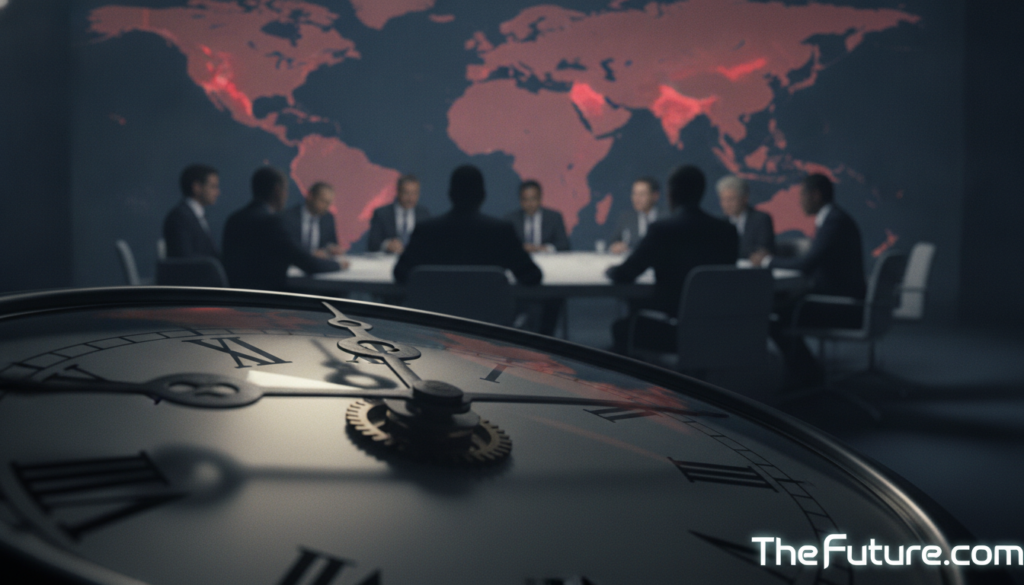
Interpreting the symbolic meaning of the gods clock
People call it the gods clock because it shows we can decide our own fate. The Bulletin of the Atomic Scientists keeps track of threats like nuclear weapons and climate change. When the clock gets closer to midnight, it means the world is getting more dangerous.
This isn’t a countdown to a single event. It’s a tool to check if the world is stable. By looking at the clock’s data, we can see what dangers we face.
How to maintain mental resilience during global instability
It’s key to stay informed but not get too caught up in bad news. I focus on being ready rather than worrying too much. I cut down on social media and spend time with my family to stay calm.
Mental health is as important as physical safety in tough times. Keeping a routine helps me deal with anxiety. Here’s how different threat levels might affect us and what we can do:
| Threat Level | Symbolic Meaning | Recommended Action |
|---|---|---|
| Low | Stable global cooperation | Maintain long-term plans |
| Moderate | Rising diplomatic tension | Review emergency supplies |
| High | Near doomsday proximity | Execute safety protocols |
| Critical | Immediate global crisis | Seek secure shelter |
Steps to Take During an Escalating World War
I think staying safe in a world war starts with making your home safe. It’s also important to choose what news you listen to carefully. When things get tense, your world can change fast. Keeping your home safe is a key step to keep you and your family safe.
Securing your immediate environment
Your home is your safest place during a widespread instability. Make sure your doors and windows are strong. Also, have basic supplies ready in a safe spot. Find a room in your house that’s safest from danger outside.
Keep your emergency kit ready and easy to find. Preparation helps you stay calm when a war starts. A strong home helps you deal with changes better.
Following official guidance and avoiding misinformation
In a world war, the internet can fill with false news. Stick to government websites and official alerts. It’s important to stop false news from spreading to keep everyone safe.
False news can lead to bad choices in a war. Always check news from different trusted sources before acting. Staying calm and following clear instructions is your best defense against war chaos.
| Source Type | Reliability Level | Action Required |
|---|---|---|
| Government Alerts | High | Follow immediately |
| Social Media Posts | Low | Verify before sharing |
| Local Emergency Radio | High | Monitor regularly |
| Unverified News Blogs | Very Low | Ignore completely |
Long-term Survival Strategies for Civilians
Getting ready for life after fighting stops means changing how we see our daily stuff and friends. It’s scary to think about a world in trouble. But, planning ahead can make us feel in control.
By starting good habits now, we can face future problems better. This helps us survive after big fights.
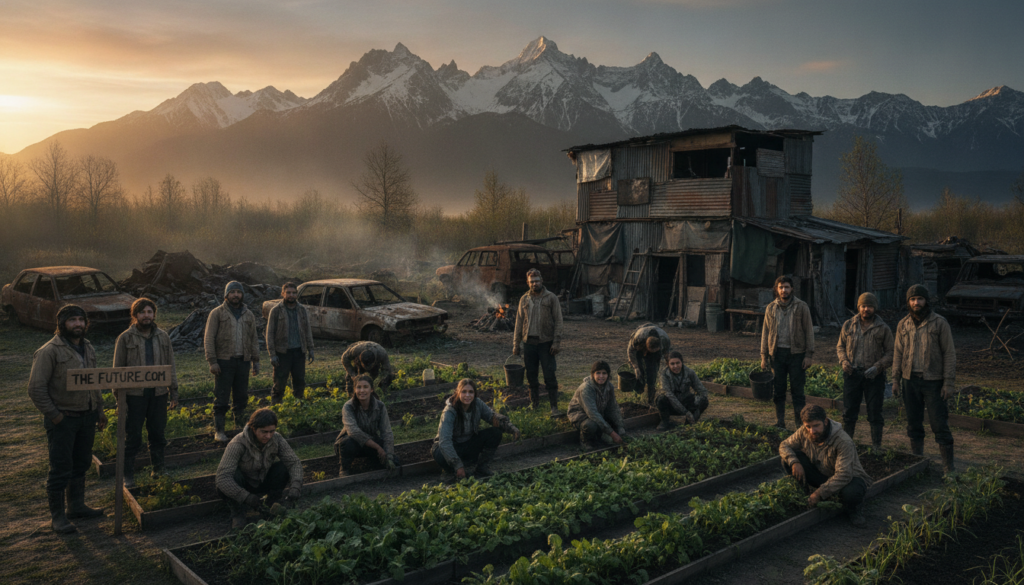
Adapting to a post-conflict economic reality
After big fighting, money and goods might not work the same. You need to use what you have wisely to stay safe. This means picking what’s really important and finding new uses for things you already have.
Being able to take care of yourself at home is key. Learn to keep food fresh, clean water, and fix things. These skills help you keep living well, even when stores are closed.
Community building as a survival mechanism
When big systems fail, local friends become our best help. Building strong ties with neighbors now helps us be strong later. When fighting stops, your neighbors will help you most.
Building a community is more than just making friends. It’s a way to stay safe. By sharing what we know and what we have, we all help each other. Start talking to your neighbors today. Trust takes time.
| Strategy | Primary Benefit | Implementation Difficulty |
|---|---|---|
| Resource Stockpiling | Immediate security | Low |
| Skill Diversification | Long-term independence | Medium |
| Community Networking | Collective fighting recovery | High |
Conclusion
Global instability can feel too much to handle. But, small actions can make a big difference in keeping you safe.
You can turn anxiety into a plan. Focus on what’s around you and build strong connections. This helps you feel strong against chaos.
Being prepared isn’t about being scared. It’s about being ready to act when others might not. Keep your emergency kit ready and stay in touch with your family.
Staying informed is your best defense. Keep learning and adjusting as things change. Now, you’re ready to protect your family and future.